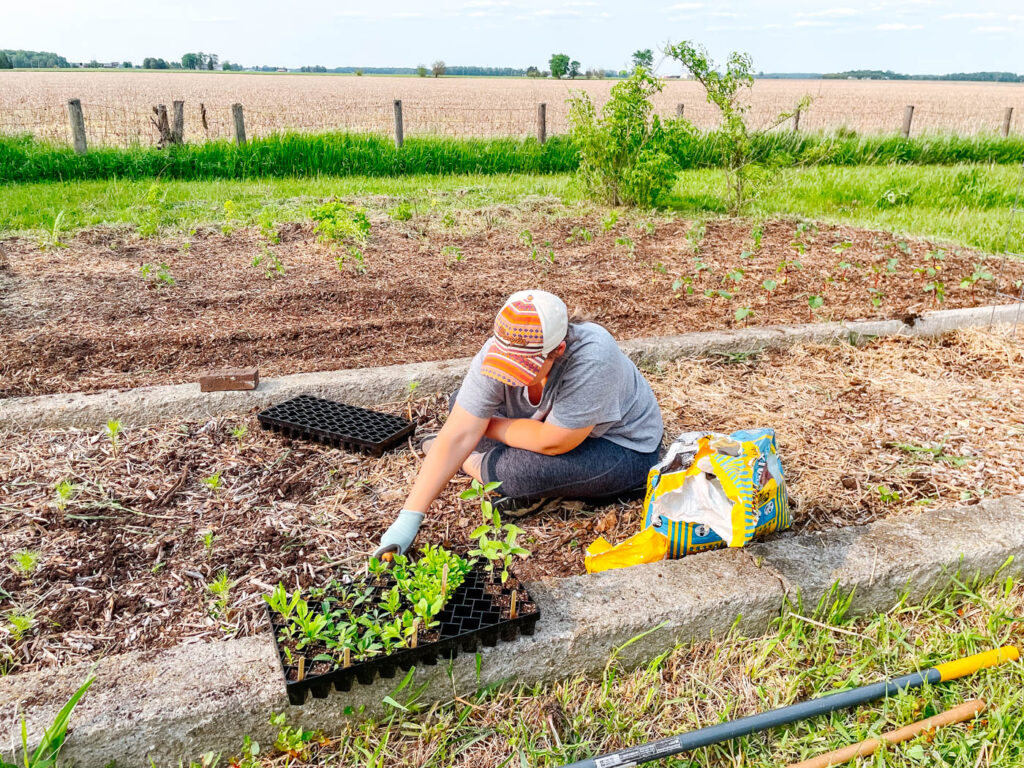
Extend your growing season with a fall garden. Learn what to plant in September based on your zone, how to stretch the harvest for many months and tips for success.
This post contains affiliate links, which means I make a small commission at no extra cost to you. In any case, I only link to products we actually use on our homestead and that I believe can truly benefit to you. See my full disclosure here.
There is a time to plant, and a time to uproot what is planted … then to immediately plant again if you wish to turn your fall into a productive growing season. Whether your autumn project becomes a simple flowerpot in a south-facing window or entails transforming a wilting summer garden plot into something green and viable, your path to success can be simplified by deciding ahead of time what to plant, when to plant it, and how to overcome late season obstacles.
Planning a fall garden typically occurs in the months of July and August. Does that mean September is too late, and all is lost? Not at all. Trade your panic for a pencil, for in a matter of minutes the What, When, and How exercise below can turn your fall vision into a wealth of nutritious and great tasting plants.
If you’re ready to start, discover what to plant in September wherever you live.
Why Plant in September?
There are so many reasons to plant a fall garden. Cooler temperatures increase a plant’s sugar production, thus enhancing flavor. And those pesky summer garden pests’ numbers will decline as the weather cools. And weeds will thin their ranks in newly tilled or cleared ground and lose their vigor in the cold. Lastly, mildew, a gardener’s bane in warm, moist weather, will be less likely to choose your spinach for a host in the drier fall days.
Best Crops to Plant in September
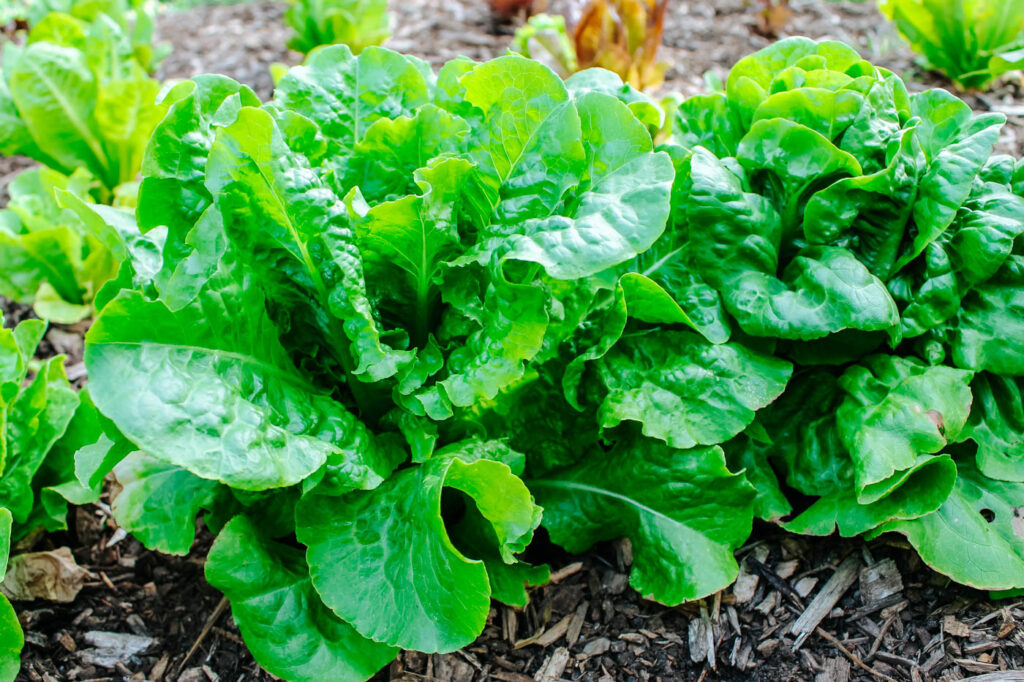
First, create a list of plants that appeal to you. Below are typical choices that do well in areas with hot summers and cold winters:
- Beans (snap and bush beans work well)
- Beets
- Broccoli
- Cabbage
- Carrots
- Cauliflower
- Cilantro
- Claytonia
- Cucumbers
- Dill
- Endive
- Garlic
- Kale
- Leaf lettuce (winter varieties)
- Mustard greens
- Onions (varieties such as leeks or green onions)
- Parsley
- Parsnips
- Peas
- Radishes
- Spinach
- Swiss chard
- Tatsoi
- Turnips
- Zucchini
When to Plant a Fall Garden
Besides basing your list on what foods you love and want more of, consider what you can handle in a shortened growing season, and what plants you lost during last summer’s brutal weather. Once your list is completed, the next step is to determine if these particular plants are suitable to your location.
Do that by answering these questions:
- Will your fall garden begin and end outdoors rather than being potted and brought inside for the winter?
- Do you want your outdoor annuals to extend beyond the first frost and possibly survive your area’s lowest average temperatures?
If you answered “Yes” to the above, you would be wise to determine your plant hardiness zone, a designation based on how cold it typically gets in the winter in a specific area. Knowing your zone can help you determine when to begin planting as well as what plants thrive in your area. If your plan includes perennials, knowing your zone is a must.
There are a number of sites which show plant hardiness zones. I find the Farmer’s Almanac to be very useful.
Once on their site, use their “Zip Code Zone Lookup” to find your zone. When I plug in my Ohio zip code, I see that my plant hardiness zone is 6a, which means my winter temperature low can drop to between -10º to -5ºF.
What if the Plants I Chose Aren’t Suited to My Zone?
Once again, don’t panic. Good timing as well as plant protection techniques are still on your side, especially for annuals. To verify the hardiness of your desired plants for your zone, check the seed packet backs or research seed catalogues. Seed Armory is a company who posts an online catalogue which allows you to view seeds suitable to your zone. Go to their site and click on your zone number below “Filter By Grow Zone” beneath the map.
Calculating Your Planting Date
Typically most fall crops should be planted 7–10 weeks before the first frost. Because warm soil in your garden is a must, the timeframe of when to start your fall/winter garden depends on not only your zone, but also the date your area’s first frost is expected. For us in Ohio, frost sets in about mid-October. To determine the average first fall frost date for your area, use this website and type your zip code into the upper left box of the opening page:
Once you have that date, check either your seed packet’s back or a seed catalogue to determine the plant’s days to maturation. Using the days to maturation, count backward from the first frost date the length of time for the seed to mature. Because cooler weather slows a plant’s growing time, add a couple of days to this number. Your goal is for the plant to reach maturity near the first frost date, unless plant protection tools will be employed as described below.
A lifelong fall gardening friend from Missouri who relies on the above calculations, adds that Blum’s Almanac has made him a believer in moon phases, so he incorporates their planting suggestions into knowing what to plant in September. He added that although turnips make an excellent fall crop, he follows the adage of, “Wet or dry, plant turnips in July.”
How Do I Achieve Success with a Fall Garden
Begin with your soil. You want it warm, but not toasty, so reduce the temperature on too hot soil with moisture, shade (from established plants works well), and mulching. Enrich your plot by replenishing its nutrients with compost and organic fertilizer. Tilling works dying summer plants into the soil, which break down and not only give back but give the ground a fluffy texture.
When the temperature begins to drop in the fall, sensitive plants may need extra protection. A frost cover for a raised bed is like adding a blanket over your plants to protect them from frost, light freezes and even snow or fierce wind. These covers work best for spring or fall crops and are not meant to be a permanent solution through the winter months.
Best Frost Covers for Plants
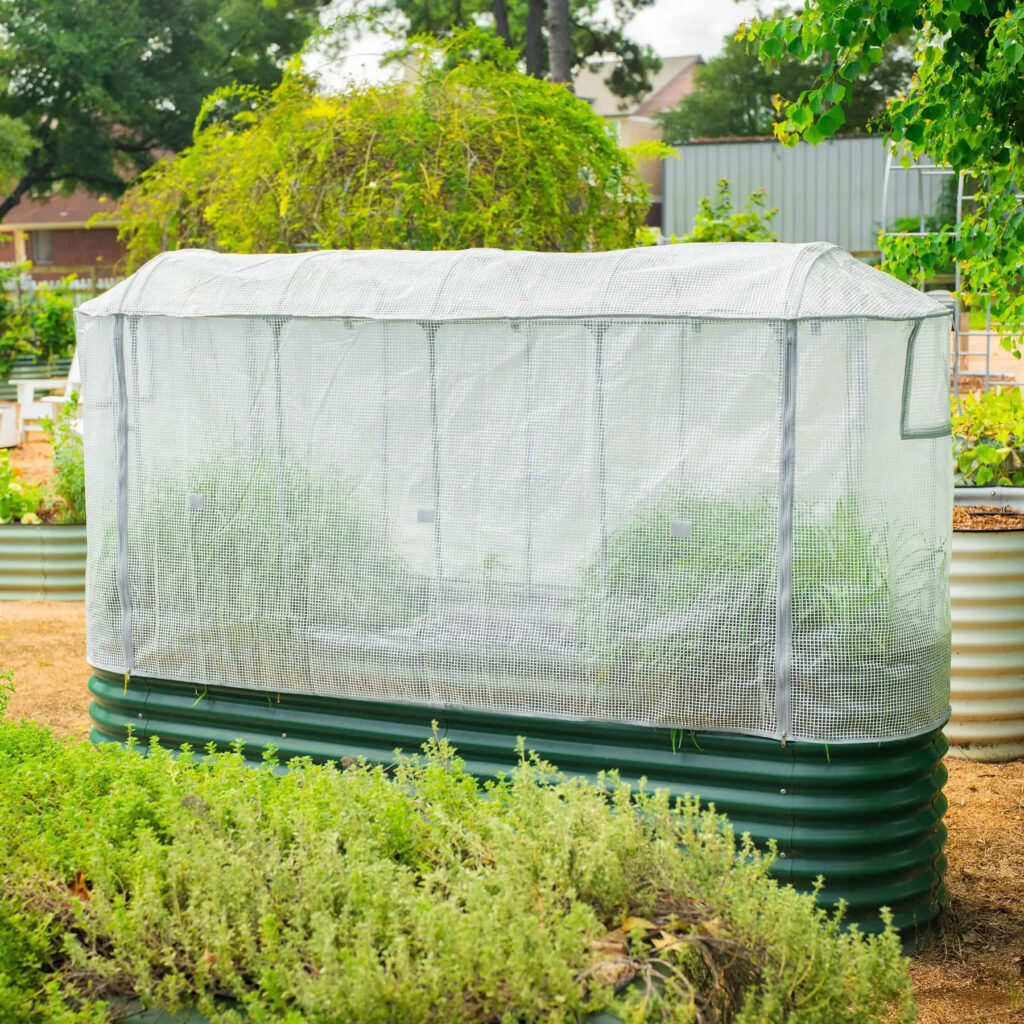
Our favorite type of raised bed cover is is the Greenhouse Frost Cover and Trellis System by Vego Garden.
Given I live in Ohio, this structure is essential to continue to grow crops through the late fall and even sometimes into the early winter. It can also be a very valuable asset for early planting in the spring or starting seeds.
The frost cover fits perfectly over one of Vego Garden’s raised beds. The snug greenhouse cover keeps plants and soil warm on cool fall days, allowing a homesteader to stretch the growing season. I find the cover system to also help to protect delicate plants, like winter lettuce from storms, hail and torrential rains. If you don’t have a raised bed, the system uses a pole and trellis system that can easily be set on the ground over top of established plants.
If you want to extend your growing season, a Greenhouse Frost Cover from Vego Garden may be the solution you are looking for. Check out their website for more information and be sure to use the following code to save $10.00 off your next purchase.
$10 off promo code: Wholemade10
DIY Frost Covers for Plants
Other means of plant protection are cold frames and row covers.
Cold frames work similarly to a greenhouse but are smaller. Their purpose is to extend your growing season in the early spring as well as in the late Fall. I go into more details about cold frames and how to build your own here.
Row covers work like a blanket over your plants. They tend to be low-to-the-ground tunnels built from a variety of materials like fencing wire or pex pipe for plumbing. Place an arch every 4-6 feet until you reach the end of the row. Cover with thick plastic sheeting and secure with heavy rocks or bricks. A gardener friend of the family purchases thin gauze which he lays over his plants and anchors down with dirt clumps. He finds gauze easy to place and remove as the temperatures vary.
FAQ
Is September Too Late to Plant Fall Vegetables?
Absolutely not. Know your zone, when the first frost is in your area and what plants work well. Fast-growing, cold-hardy crops such as lettuce and spinach are best for planting in September.
More Gardening Tutorials
Winter Gardening in a Cold Frame